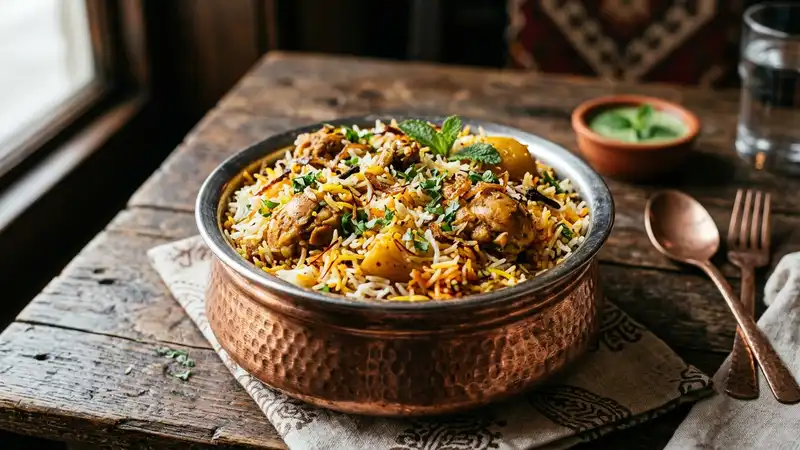
Executive Summary for Food Service & Retailers: For the approximately 20% of the Mauritian population managing diabetes or insulin resistance, traditional Biriyani prepared with standard high-GI white rice presents an acute metabolic risk. Dietary attempts utilizing brown rice fail culinarially because the fibrous bran layer acts as a physical shield, rejecting the marinade of saffron, cinnamon, cloves, and meat juices. RNR 15048 solves this challenge: as a pure, clean-milled white rice without an outer bran barrier, it absorbs deep spices during pressure Dum steaming, remains light and fluffy, and provides a clinically certified low glycemic index of 51.5.
The Ultimate Dilemma: Healthy Mauritian Biriyani Without Compromise
Mauritian Biriyani (often pronounced Briani across the island) is far more than a staple; it is an undeniable culinary pillar, the centerpiece of family reunions, weddings, and national celebrations. Steeped in Persian, Indian, and French colonial gastronomic influences, the dish relies on an intricate balance of marinated meats, saffron-infused milk, fried golden onions, potatoes, and slow-steamed, aromatic rice.
However, Mauritius confronts one of the highest diabetes prevalence rates in the world, with roughly one in five adults diagnosed with type-2 diabetes or metabolic syndrome. Traditional festive Biriyani, constructed with massive volumes of high-GI polished white rice, causes rapid postprandial glucose surges. For years, healthcare practitioners and nutritionists advised substituting brown rice or parboiled grains. Yet within Mauritian households and restaurants, these substitutions were quickly abandoned: they produced an unpalatable, dense meal where the rice remained detached and dry, completely unable to soak up the soul of the dish.
The Science of Spice Absorption: Why Parboiled and Brown Rice Fail
To understand why alternative grains fail in authentic Biriyani, one must examine grain morphology. Brown rice retains its pericarp and aleurone layers—a tough, waxy bran sheath. While nutrient-dense, this sheath acts as a hydrophobic barrier. During the Dum process (sealed slow-cooking under steam pressure), the delicate emulsion of meat juices, ground spices, mint, and yoghurt cannot penetrate the grain core. The result is an uneven dish where the exterior is coated with sauce while the interior remains bland and chalky.
Standard parboiled rice presents a different obstacle. Industrial parboiling gelatinizes the starch granules inside the husk before milling, creating a vitreous, hardened endosperm. Although this lowers breakage, it drastically restricts spice uptake and creates a firm, rubbery mouthfeel that clashes with the luxurious softness required of celebratory Biriyani.
RNR 15048 (Low-GI Rice) provides the scientific answer. Bred through natural selection by agricultural researchers in South India, RNR 15048 is clean-milled white rice. Its outer bran is fully polished away, exposing an absorbent endosperm that draws in flavours effortlessly. Crucially, its internal starch composition features a high amylose-to-amylopectin ratio, retarding enzymatic hydrolysis in the digestive tract and delivering a certified Low Glycemic Index of 51.5.
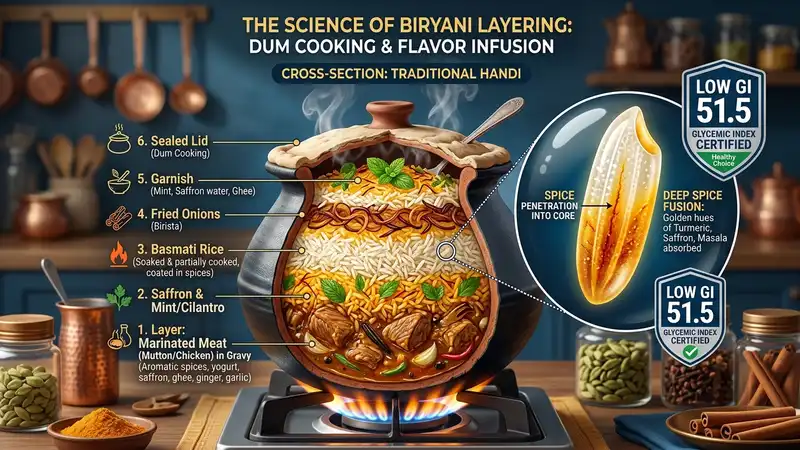
Table 1: Rice Variety Comparison for Mauritian Biriyani
When preparing layered rice dishes, grain geometry and surface chemistry determine the final gastronomic quality. The following comparative matrix evaluates common rice categories against RNR 15048:
| Rice Variety | Spice Absorption Capacity | Cooked Texture & Grain Separation | Glycemic Index (GI) & Health Impact |
|---|---|---|---|
| Premium Basmati | Excellent (Deep penetration) | Long, fluffy, distinct separation | High (GI ~70) - Sharp blood sugar spikes |
| Traditional Brown Rice | Poor (Bran barrier repels juices) | Dense, rubbery, chewy | Medium (GI ~68) - Minimal glycemic relief |
| Standard Parboiled Rice | Moderate (Hardened endosperm core) | Firm, compact, slightly gummy | Medium-High (GI ~65) - Compromised aroma |
| RNR 15048 Low-GI White Rice | Excellent (Total spice infusion) | Soft, fluffy, perfectly separated | Low (GI 51.5) - Clinically tested & safe |
Nutritional Dynamics: Why RNR 15048 Protects Metabolic Health
Beyond glycemic index, modern clinical diabetology focuses on Glycemic Load (GL) and resistant starch fractions. RNR 15048 contains significantly elevated levels of Type-3 resistant starch, which bypasses small intestine digestion and ferments in the colon, releasing beneficial short-chain fatty acids (SCFAs) that increase insulin sensitivity.
Table 2: Nutritional & Glycemic Comparison per 100g of Cooked Biryani Rice
| Nutritional Parameter | Standard Basmati Rice | RNR 15048 Low-GI Rice | Metabolic Advantage |
|---|---|---|---|
| Glycemic Load (GL per 100g) | 22.5 (High) | 14.2 (Low) | 37% reduction in postprandial insulin demand |
| Digestible Carbohydrates | 28.5 g | 24.0 g | Paced glucose release into the bloodstream |
| Resistant Starch Fraction | 1.2 g | 4.8 g | Enhanced satiety and beneficial gut microbiome fermentation |
| Crude Protein Content | 2.7 g | 3.2 g | Superior amino acid profile supporting metabolic satiety |
Mastering the Authentic Mauritian Dum Technique with Low-GI Rice
The beauty of RNR 15048 lies in its kitchen practicality. Home chefs and catering professionals do not need to rewrite their traditional generational recipes. Follow these culinary standards for flawless results:
- Rinsing: Rinse RNR 15048 gently twice in cool water to remove surface dust without stripping soluble micronutrients.
- Pre-Soaking: Soak the rice for exactly 20 minutes before par-boiling. This establishes uniform cellular hydration across the grain.
- Par-Boiling (70% Cook): Boil in salted water infused with whole cardamom, star anise, and bay leaf until the grain yields slightly under pressure but retains a firm inner core (approximately 5 to 6 minutes). Drain thoroughly.
- Dum Layering: Layer the par-boiled rice directly over the marinated chicken, mutton, or fish in a heavy-bottomed deg (traditional copper or cast aluminium pot). Drizzle saffron milk, clarified butter (ghee), and fried shallots over the surface.
- Sealing & Steaming: Seal the lid with dough or heavy foil. Cook on medium flame for 10 minutes, followed by 35 minutes on low flame over a tawa diffuser plate. Allow 15 minutes of resting before unveiling.
For Supermarkets & FMCG Distributors: Are you a food importer or supermarket buyer in Mauritius (Super U, Winners, Jumbo, Way) looking to supply certified low-GI rice to health-conscious consumers? Draba Ventures provides mill-direct 20ft container loads (24-26 MT) with complete testing documentation, bilingual packaging, and competitive CIF Port Louis delivery.
For Caterers & Hotels: Upgrade your wedding and banquet menus with authenticated Low-GI Biriyani that meets hospital and wellness dietary guidelines without sacrificing taste. Contact our Export Procurement Desk.
Calculate Landed CIF Port Louis Rice Costs
Use our real-time agricultural export pricing engine to generate containerload FOB and CIF Port Louis estimates for RNR 15048 Low-GI Rice direct from our Sindhanur mills.
Access Rice Freight Calculator